

Hey there, fellow construction pros and supply chain folks! If you’ve ever wandered a busy construction site—think cranes swinging, materials stacked everywhere, workers rushing to get the right stuff where it needs to go—you’ve probably seen a lot of chaos when it comes to moving supplies from the yard to the floor. I’m from a company that makes metal cage trolleys, and I get asked all the time: “Can a metal cage trolley actually work on a construction site?” Let’s cut through the noise here—spoiler: yeah, it can, if you pick the right type. No fancy jargon, just real talk based on what we’ve seen and what works out there.
First, let’s start with why construction sites are totally different from, say, a grocery store or a warehouse. Construction sites are rough: uneven ground, dust, rain, sometimes even rough terrain from digging or grading. Regular roll containers you might use in a retail setting? They’re not built for that. But metal cage trolleys—wait, no, let’s clarify terms here because a lot of people mix these up. When we talk about the ones that work on job sites, we’re not talking flimsy wire racks. We’re talking heavy-duty models built to handle way more than just boxes of inventory.
One big thing construction sites move: loose materials. Think rebar, drywall sheets, plumbing pipes, small power tools, even lumber scraps that don’t fit neatly into pallets. If you’ve ever tried to haul a stack of drywall across a muddy site with a hand truck, you know how often things slip, break, or fall. A metal cage trolley’s frame—especially if it’s made from thick, galvanized steel—gives that structure you need. But not every cage is the same. For moving mixed loads on site, a multipurpose roll container makes total sense. This one’s designed with adjustable sides and sometimes a foldable design, so you can load long items like pipes without sticking them out, or stack smaller tools neatly. I’ve seen job managers use these to move everything from fasteners to portable generators in one trip—cuts down on how many runs you have to make, which saves time and reduces worker fatigue.
Now, why not just use a regular handcart? Handcarts are great for small loads, but they’re unstable for big or bulky stuff. A roll container cage (wait, that’s another term people use) has four wheels, usually with brakes, so it stays put when you need it. On a site where someone’s drilling or concrete’s being poured, you don’t want a load rolling away. But not all wheels work for construction. We build ours with rubber treads that grip uneven ground, not the smooth plastic wheels you’d see in a store. That’s a key difference—if the trolley can’t navigate ruts or loose gravel, it’s useless on a job site.
Security is another huge factor on construction sites. Nobody wants expensive power tools, copper wire, or finished lumber going missing overnight. A security cage on wheels isn’t just for moving stuff—it’s for storing it when the workday ends. You can roll it right up to a secure area or lock the cage shut, so you don’t have to leave pallets out that invite theft. I’ve heard stories from guys who used regular storage racks and came back to half their tools gone; with a wheeled security cage, you can move the whole thing to a locked gate or a secure shed every night. That’s a game-changer for keeping costs down and materials where they belong.
Wait, but what about when you don’t need a full cage? Sometimes you just need a rigid trolley to move bulk items. A roller security cage—yes, that’s the term for the ones with slats instead of solid sides but still sturdy—works great for ventilation if you’re moving something that can’t get musty, like insulation or drywall. The slats let air circulate, so you don’t have to worry about moisture buildup if it rains a little while it’s being moved. That’s a small detail but it adds up—drywall that gets wet is useless, and no one wants to waste money replacing it.
Now, let’s get real about the downsides. No product is perfect. Metal cage trolleys are heavier than plastic or wooden ones, so if you’re moving them on super steep ramps without a flatbed, that can be a hassle. But here’s the thing: on construction sites, you’re rarely moving them alone. Most are designed to be pushed or pulled by one person, and the heavy duty is actually an asset when you’re carrying 500 pounds of rebar. Also, some models are collapsible, so when you’re not using them, they take up way less space than a pallet or a static rack. That’s a big deal because site space is precious—you don’t want empty trolleys cluttering up the yard.
We’ve had a lot of customers test our industrial cage trolley on job sites, and the feedback’s been solid. One contractor in Texas told us he went from using handcarts for all tool runs to using two of these, and his team’s productivity went up 30% because they didn’t have to make as many trips. Another one in Florida mentioned that the galvanized steel held up through hurricane season—salt air and rain don’t rust it, which is way better than the cheap wire cages he tried before that corroded in a month.
Wait, let’s make sure we’re not recommending the wrong type. If you’re working on a tiny remodel site, a standard box might be overkill, but for mid-sized to large construction jobs (think apartment buildings, office renovations, highway projects), these are essential. The key is matching the trolley to what you’re moving and the terrain. If you’re moving mostly small parts, a multipurpose roll container with smaller wheels works, but if you’re hauling big, heavy items over rough ground, go for a model with thicker frames and treaded wheels—like the roll container cage we built specifically for job sites.
Another thing to consider: loading and unloading. Construction sites don’t have the same loading docks as warehouses, so having a trolley that’s easy to tilt or pull close to a truck bed is important. A lot of our models have a low profile, so you can roll them right onto a flatbed trailer without needing a ramp. That saves time when you’re delivering materials to the site—no more straining to lift heavy pallets off the truck.
I’ve seen people argue that metal cage trolleys are too expensive, but when you crunch the numbers, they pay for themselves quickly. If a handcart breaks every month and you have to replace it, a metal trolley that lasts 5+ years is cheaper in the long run. Plus, less material waste, fewer lost tools, less worker strain—all those things add up to money saved.
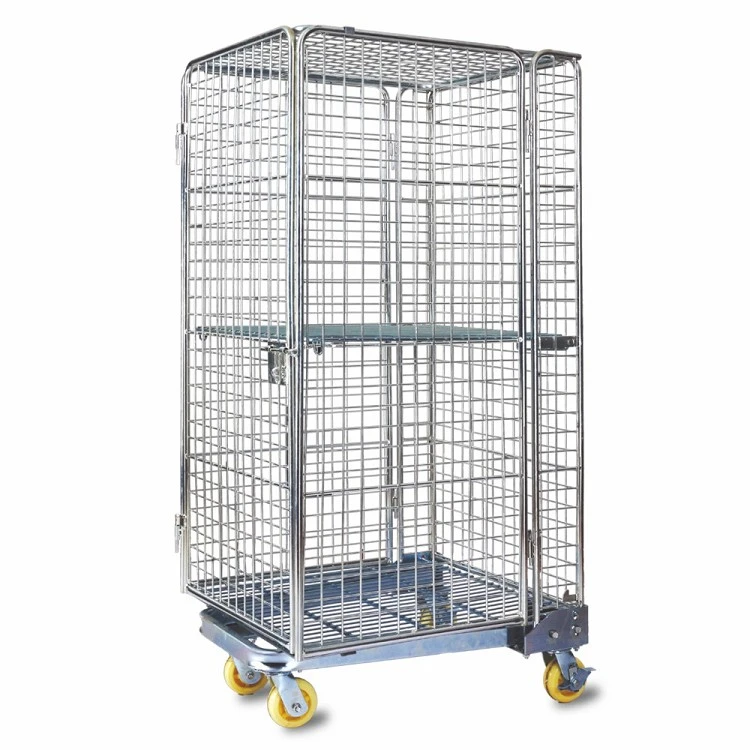

Now, let’s wrap this up with what you need to do if you’re thinking about trying one out. Don’t just grab any metal trolley—think about your site’s specific needs: how much space do you have? What’s the main stuff you move? Is the ground rough, or mostly smooth? We’ve got a range of options, from the multipurpose roll container that works for mixed loads to the security cage on wheels for overnight storage. If you’re not sure which one fits your job, just reach out—no pressure, no complicated sales pitches, just straight talk about what works on a construction site.
If you’ve ever dealt with the headache of moving materials on a job site and losing time, tools, or materials, a metal cage trolley could be the fix you’ve been looking for. It’s not a luxury—it’s a tool that makes life easier for your team and keeps your project moving smoothly. Ready to check it out? Our site has all the specs and details you need, so you can find the right fit for your work. Just head over and take a look, and if you have questions, hit us up—we’re here to help.
In short: yes, a metal cage trolley absolutely works on a construction site, as long as you pick the right heavy-duty, terrain-friendly model. It’s not just for warehouses anymore—it’s become a go-to for job sites that want to save time, reduce waste, and keep materials secure.
References:
- Construction Supply Chain Management: Best Practices for Job Site Efficiency (2022), Building Industry Press
- Heavy-Duty Material Handling Equipment for Rough Terrain (2023), Industrial Safety Journal
- Theft Prevention Strategies for Construction Sites (2021), National Construction Association Report